

How to Care for Leather Shoes: A Practical Guide to Making Them Last
A good pair of leather shoes should never be treated as something disposable.
Natural leather changes with wear. It develops character, responds to climate and gradually loses some of the oils and moisture that help keep it supple. Dirt, water, heat, dry environments and everyday use all affect its appearance and feel.
The good news is simple: proper leather shoe care can significantly extend the life, appearance and character of quality footwear.
Leather speaks to you.
When leather begins to lose its natural lustre, feels drier or looks less supple than usual, it may be telling you that it needs attention.
Knowing how to read those signs — and responding correctly — is one of the simplest ways to make leather shoes last longer.
1. How to clean leather shoes before conditioning
Good leather shoe care always starts with a clean surface. Applying conditioner over dust or dirt can trap unwanted particles against the leather rather than properly treating it.
First, remove loose dust and surface dirt with a clean, soft cloth or a soft-bristle shoe brush.
If necessary, slightly dampen a clean cloth with room-temperature water and gently wipe the leather until the dirt has been removed.
The important word here is damp. Do not soak the leather. Use only the amount of moisture necessary to clean the surface.
2. Let leather shoes dry naturally
After cleaning leather shoes with a damp cloth, allow them to dry completely before applying any leather conditioner.
Place the shoes in a dry, well-ventilated area, preferably away from excessive humidity.
Never place wet or damp leather shoes in direct sunlight or next to an intense heat source in an attempt to make them dry faster.
Excessive heat and prolonged direct sunlight can dry the leather too quickly and may affect its colour and finish. Depending on the leather and its pigmentation, unwanted colour changes can be difficult or even impossible to reverse.
Avoid radiators, heaters and hairdryers. Allow the leather to dry naturally and gradually.
Patience is part of leather care.
3. What should a good leather conditioner contain?
Once the shoes are completely dry, the leather is ready for conditioning.
For smooth leather shoes, choose a quality conditioning product formulated specifically to nourish and protect leather rather than simply covering it with an artificial shine.
Natural waxes and conditioning oils are commonly used in quality leather-care formulations. Ingredients such as beeswax and suitable conditioning natural oils can help maintain suppleness while providing additional surface protection.
Beeswax is particularly valued in leather care because it can contribute to both conditioning and protection, while appropriate oils help replenish some of the flexibility that leather gradually loses through wear and exposure.
Some effective leather conditioners combine natural waxes with plant-derived oils. What matters most is that the product has been properly formulated for leather.
Do not apply household oils, food products, honey or pure ingredients directly to your shoes simply because they appear in a leather-care formulation. The proportions and formulation of a dedicated leather conditioner matter.
And remember: more product does not mean better conditioning.
A small quantity applied evenly is preferable to saturating the leather.
When using a new product for the first time, always test it on a small, discreet area. Some conditioners can slightly darken or alter the appearance of particular leathers.

Apply a small amount of leather conditioner evenly with a clean, soft cloth.
4. How to condition leather shoes
With the leather completely clean and dry, take a clean, dry and soft cloth and apply a small quantity of leather conditioner.
Work the product gently across the entire exterior smooth-leather surface, using controlled circular movements and distributing it as evenly as possible.
Pay particular attention to areas that flex naturally while walking, as these parts of the shoe experience repeated movement and can become dry over time.
Do not concentrate a large amount of conditioner in one area. The objective is to create a thin, even treatment across the leather.
5. Let the leather absorb the treatment
Once the conditioner has been applied, give the leather time to absorb it.
Always follow the instructions supplied with the particular leather-care product, as absorption and drying times vary between formulations.
For a deeper conditioning treatment, we prefer to allow the shoes to rest for a few hours before the final buffing.
This gives the treatment time to settle before you evaluate the final appearance of the leather.
6. Brush and buff the leather
After the conditioning treatment has had sufficient time to work, gently buff the entire leather surface.
You can use either a soft-bristle shoe brush or a clean, soft flannel or cotton cloth.
Work gently across the surface to remove any remaining excess product and help restore the leather's natural lustre.
The objective is not to create an artificial plastic-like shine. Good leather has its own character and its own natural finish.
7. Is one conditioning treatment enough?
Now look at the leather again.
Has its natural lustre returned? Does it look richer and feel more supple? Or does the surface still appear noticeably dry?
If the leather still lacks its natural appearance after the first treatment has been completely absorbed and buffed, it may need another light conditioning treatment.
Repeat the same process rather than applying a large quantity of conditioner all at once.
Let the leather tell you what it needs.
There is no single conditioning schedule that applies to every pair of leather shoes.
How often you should condition leather shoes depends on how frequently they are worn, the climate, exposure to rain and dirt, storage conditions and the characteristics of the leather itself.
Rather than conditioning automatically according to a rigid calendar, learn to observe the material. A loss of natural lustre, increasing dryness and reduced suppleness are signs that the leather may need attention.
Coconut, beeswax and the idea behind our image
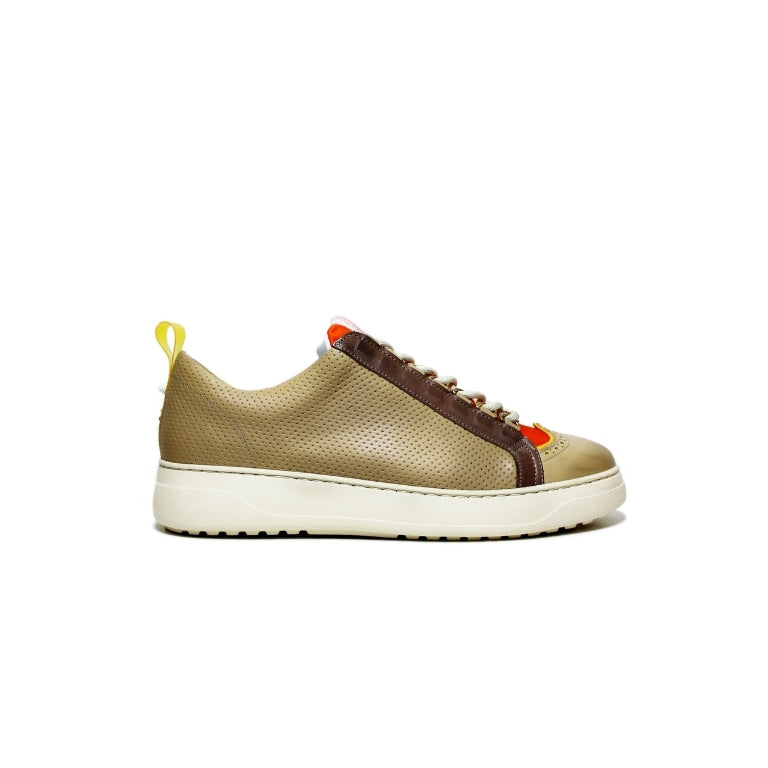
The image introducing this guide is deliberately playful, but the idea behind it is real.
Natural waxes and conditioning oils are widely used in specialist leather-care formulations. Beeswax is particularly common in products designed to condition and protect smooth leather, often combined with oils and other conditioning ingredients.
The coconut and golden wax imagery represents three simple principles:
Nourish. Protect. Preserve.
It does not mean that coconut oil, honey, beeswax or any other raw ingredient should be applied directly to your Pintta shoes.
Always use a properly formulated leather shoe conditioner suitable for the specific leather you are treating.
Important: suede and nubuck require different care
The cleaning and conditioning process described in this guide is intended primarily for smooth leather footwear.
Do not automatically apply conventional leather creams, waxes or oils to suede or nubuck. These materials have a different surface structure and require products and brushes specifically designed for them.
The same caution applies to unusual or highly specialised finishes. When in doubt, identify the material and its finish before applying any treatment.
How to make leather shoes last longer
At Pintta, we believe sustainability also begins with something remarkably simple:
Take care of what you already own.
Quality leather footwear is made to be worn. Leather will crease, change and develop character as it accompanies its owner through time. These changes are part of the material's natural life.
Wear is not the enemy. Neglect is.
Clean your leather shoes when they need cleaning. Let them dry naturally. Condition the leather when it begins to lose its natural suppleness and lustre. Brush and buff it gently. Repair what can be repaired.
And then wear them again.
Because one of the most sustainable pairs of shoes may simply be the pair you don't need to replace.
Handmade in Portugal.
Made to be worn. Made to be cared for. Made to last.