

How to Clean Leather and Suede Sneakers: The Right Care for Every Material
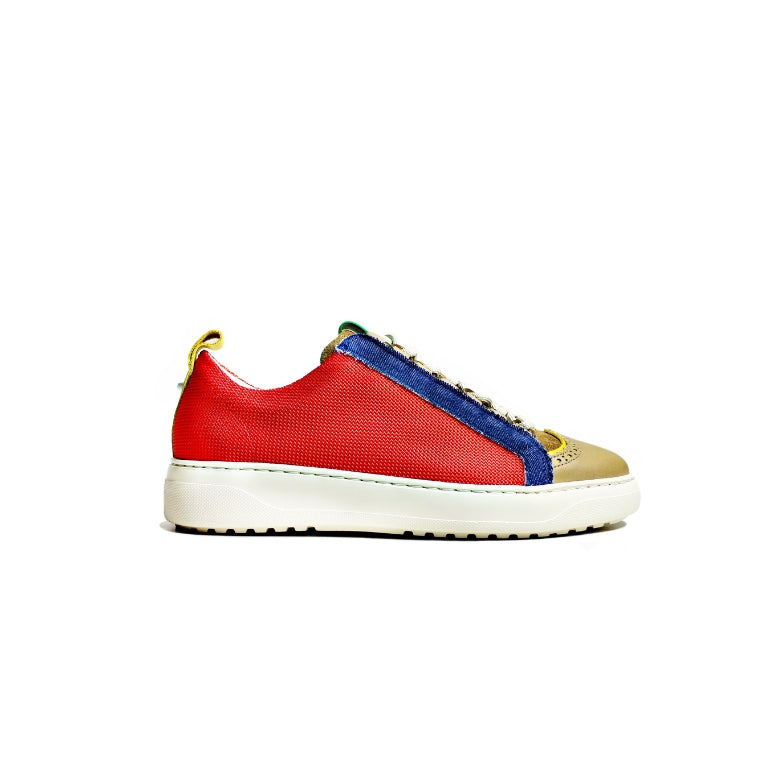
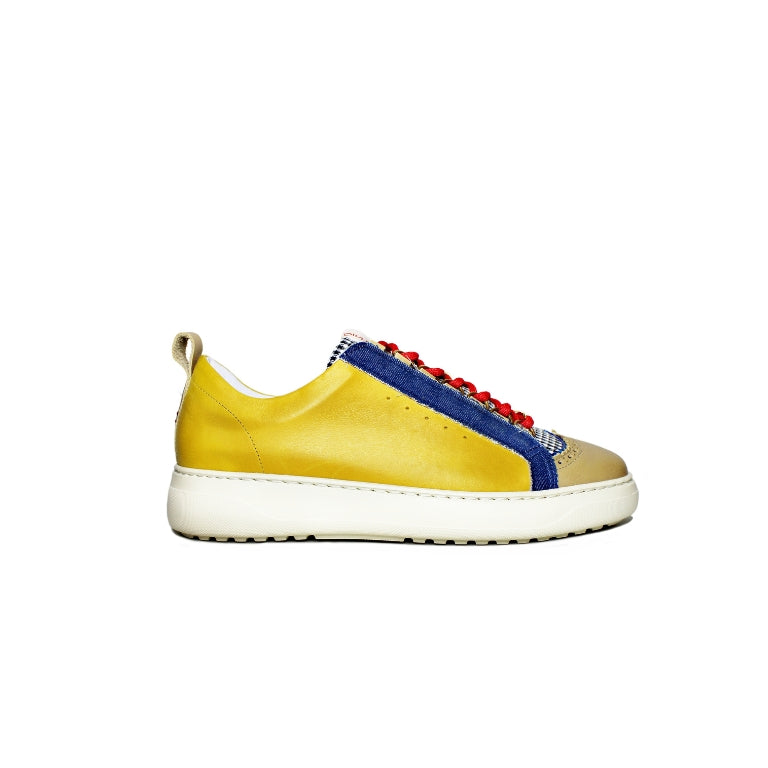
A premium sneaker can combine several materials in a single design — and each one needs to be treated differently.
Smooth leather, suede and textile can sit only a few millimetres apart, yet they should never automatically receive the same cleaning or conditioning treatment.
Understanding those differences is one of the most important parts of caring for leather and suede sneakers correctly.
One sneaker. Different materials. Different care.
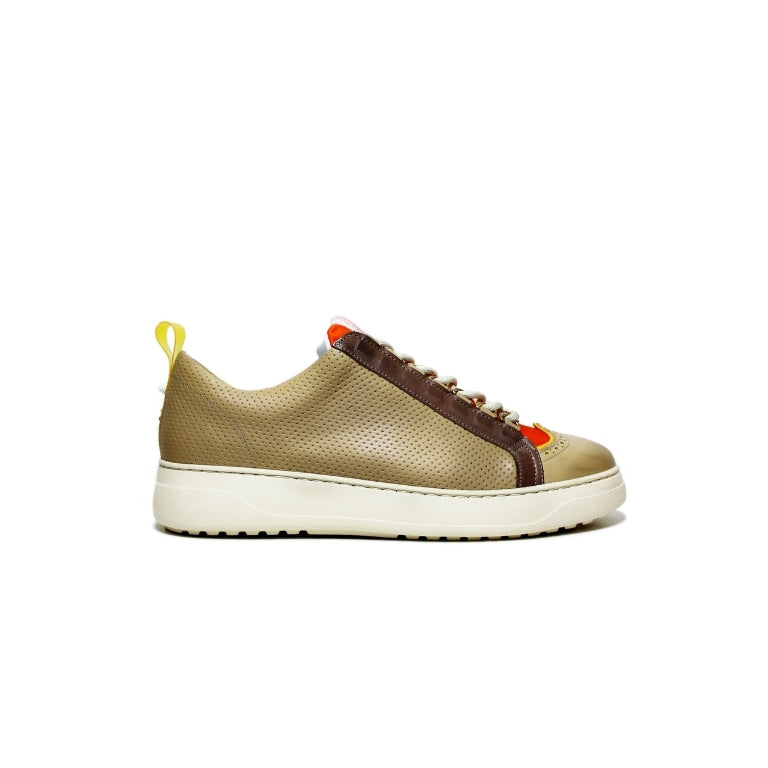
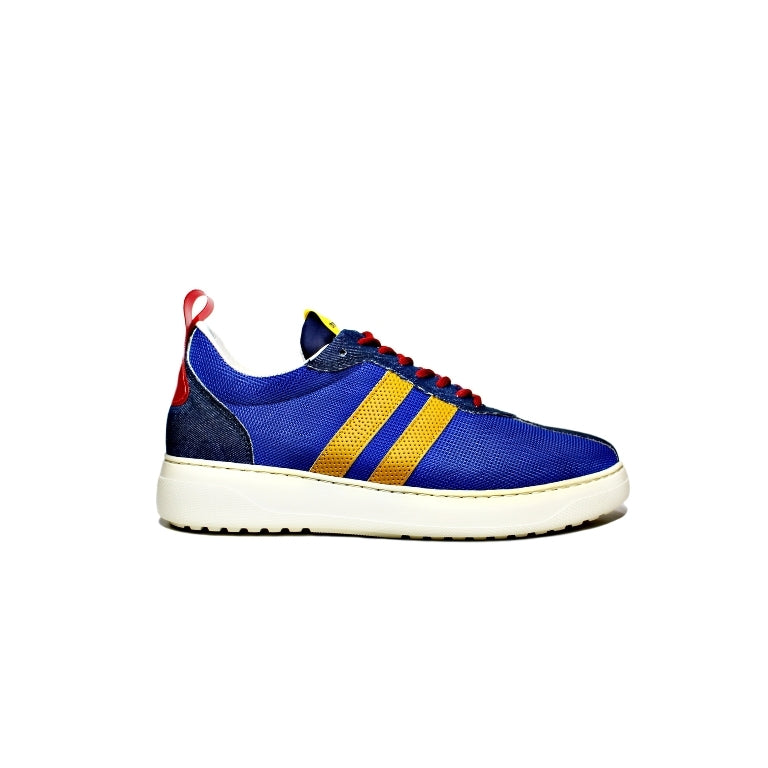
At Pintta, the combination of materials is part of the design. Leather may provide structure and character, suede adds texture, while textile elements can introduce contrast and another visual dimension.
Caring for them properly means respecting each material individually rather than treating the entire sneaker as a single surface.
1. Identify the materials before you start
Before cleaning your sneakers, look carefully at their construction.
A single pair may combine smooth leather, suede and textile, together with laces, rubber components and other details.
Identifying these areas before applying any product is essential because something suitable for smooth leather may not be suitable for suede or textile.
This is particularly important with leather conditioners and waxes. A product formulated for smooth leather should be kept away from suede and textile unless the manufacturer specifically states that it is suitable for those materials.
2. Start with a dry clean
Before introducing moisture or cleaning products, remove loose dust and surface dirt.
Use a clean brush appropriate for the material and work gently across the sneaker. Pay particular attention to seams, edges and the areas where different materials meet, as dirt can accumulate there.
Remove the laces if they prevent you from reaching the leather, suede or textile underneath.
Starting dry also allows you to see which marks disappear with simple brushing and which areas actually require further treatment.

Treat each material separately: smooth leather, suede and textile require different care.
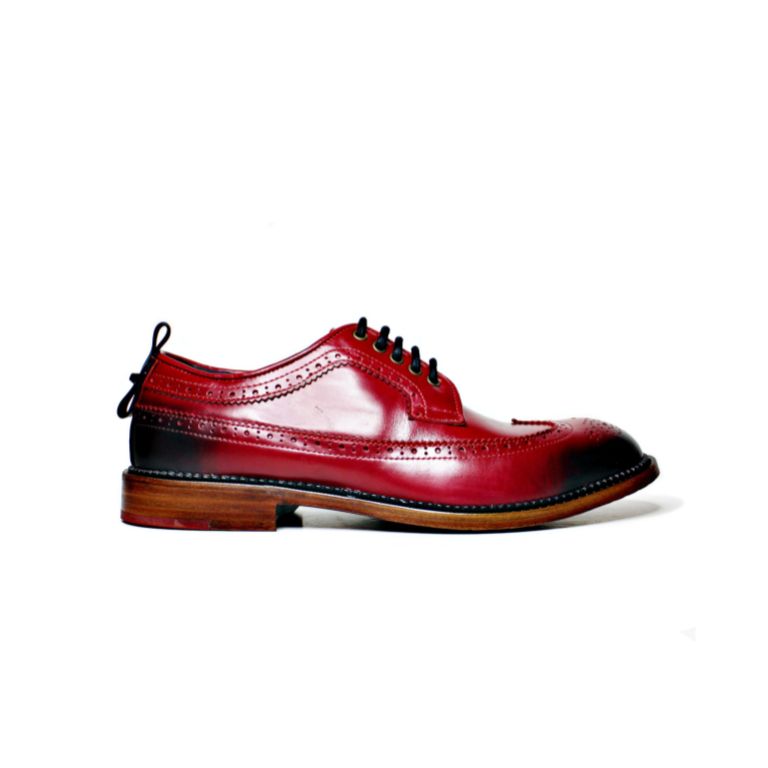
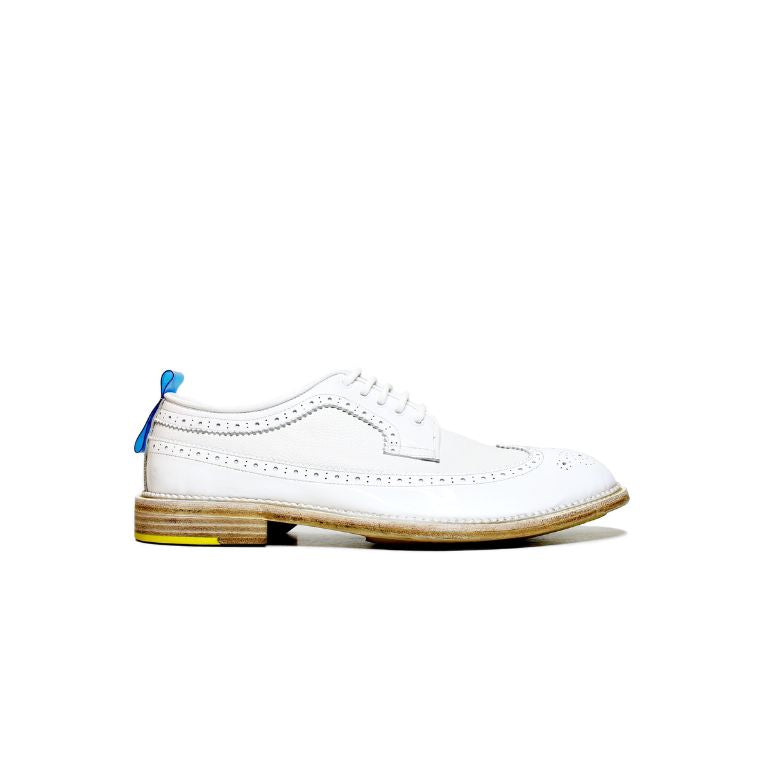
3. How to clean and condition smooth leather
For the smooth leather areas, first remove dirt with a clean, soft cloth. If necessary, use a cloth very lightly dampened with room-temperature water.
Do not soak the leather, and be especially careful close to suede or textile sections so that moisture and cleaning products do not spread into neighbouring materials.
Allow the leather to dry naturally before applying any conditioner.
Once clean and completely dry, smooth leather can be treated with a quality leather conditioner specifically formulated for footwear.
Natural waxes and suitable conditioning oils are commonly found in good leather-care formulations. Beeswax, for example, can contribute to conditioning and surface protection when it forms part of a properly formulated leather-care product.
Apply only a small amount with a clean, soft cloth and work it gently into the smooth leather.
Do not spread the leather conditioner over the entire sneaker. Keep it strictly on the smooth leather sections and away from suede and textile.
Always test a new product on a small, discreet area first, as some conditioners can slightly darken or alter the appearance of leather.
4. How to clean suede sections
Suede requires a completely different approach.
Its distinctive appearance comes from its raised surface fibres, so conventional smooth-leather creams, waxes and conditioning oils should not automatically be applied to it.
Begin by allowing the suede to be completely dry. Then use a brush designed for suede and brush the surface carefully to remove dirt and help lift the nap.
For more persistent marks, use a cleaner or stain-removal product specifically formulated for suede or nubuck, following the manufacturer's instructions.
Avoid experimenting with household solvents or aggressive cleaning products. They can affect the colour, texture or finish of the suede and may leave permanent marks.
As with any new treatment, test the product first on a small, discreet area.
Once the suede is completely dry again, gently brush it to help restore its natural texture.
5. How to clean textile areas
Textile sections should also be treated independently from the leather.
Start by removing loose dust with a clean, soft brush. If deeper cleaning is necessary, use a cleaner specifically suitable for sneaker textiles and follow the product instructions carefully.
Apply the cleaner in a controlled way rather than saturating the material. Work only on the textile section and avoid spreading the product unnecessarily onto the surrounding leather or suede.
When moisture is required, use as little as necessary and remove any excess carefully with a clean cloth.
This controlled approach is particularly important with contrasting fabrics, where excessive moisture or unsuitable products may cause marks, colour changes or visible rings as the material dries.
And just as importantly: do not apply leather conditioner, wax or conditioning oil to textile areas.
6. Take extra care where different materials meet
The most delicate areas of a mixed-material sneaker are often the transitions between materials.
Leather may meet suede along a seam. Textile may sit immediately beside leather. A few careless movements with a cloth can transfer conditioner from one surface to another.
When working close to these boundaries, use a small amount of product and controlled movements.
Instead of treating the sneaker quickly as one object, think of it as several different surfaces assembled into a single design.
Precision matters as much in care as it does in construction.
7. Let the sneakers dry naturally
After cleaning, allow the sneakers to dry naturally in a dry, well-ventilated place.
Avoid direct sunlight, radiators, heaters and hairdryers.
Strong or concentrated heat can affect leather, suede, textile, adhesives and other components differently. Trying to accelerate the process can therefore create problems that careful cleaning was intended to avoid.
Give each material time to dry naturally before assessing whether any additional treatment is required.
8. What about beeswax and coconut?
The cover image of this guide uses bees, honey and coconut as a creative representation of ingredients and ideas associated with natural care.
Natural waxes and conditioning oils can be found in properly formulated leather-care products, and beeswax is commonly associated with the conditioning and protection of smooth leather.
But the image should not be interpreted literally.
Do not pour honey, coconut oil, melted beeswax or other raw ingredients onto your sneakers.
Use products professionally formulated for the specific material you are treating.
And remember: even an excellent smooth-leather conditioner should not automatically be applied to suede or textile simply because those materials are part of the same sneaker.
9. Good sneaker care is material care
Premium sneakers often owe much of their character to the combination of different materials.
That combination deserves equally considered care.
Clean the smooth leather gently and condition it when necessary. Brush suede with the appropriate brush and use a dedicated suede product for persistent marks. Clean textile sections separately with a suitable cleaner.
Never assume that one product is right for every surface.
Different materials. Different care. One pair made to be worn again and again.
Caring for what you already own is also part of a more responsible approach to footwear. Quality materials deserve maintenance, and well-maintained footwear does not need to be replaced simply because it has been worn.
Handmade in Portugal.
Made to be worn. Made to be cared for. Made to last.