

European Shoemaking Craft: Tradition, Materials and Modern Luxury

European shoemaking blends traditional craftsmanship with contemporary design, creating footwear defined by precision and lasting character.
European shoemaking has long represented one of the highest standards of craftsmanship in the fashion world. Built on generations of technical knowledge, traditional techniques and carefully selected materials, luxury footwear produced in Europe reflects a culture where quality and design evolve together.
In recent years, this heritage has gained renewed attention as consumers increasingly value authenticity, durability and refined design over fast fashion. Organisations such as World Footwear highlight how European craftsmanship continues to influence the global footwear industry.
The Craft Behind European Shoemaking
True shoemaking begins with material selection. Premium leather must combine flexibility, strength and natural character. Skilled craftsmen evaluate texture, grain and thickness before the cutting process begins.
Each element of the shoe is then shaped and assembled with precision, creating a structure designed to balance comfort, durability and elegant proportions. This approach reflects the philosophy of Portuguese shoemaking, where craftsmanship and structural balance remain central principles.

Traditional shoemaking values patience and precision, allowing materials and construction techniques to shape footwear that ages beautifully.
Why Handmade Shoes Continue to Define Luxury
Unlike industrial footwear production, traditional shoemaking requires time and attention to detail. Each stitch, curve and finishing step contributes to the overall character of the shoe.
This slower approach allows craftsmen to maintain control over materials and construction, producing footwear that offers superior comfort and long-term durability.
The result is footwear designed not only for appearance but also for everyday wear — a philosophy that increasingly defines the market for luxury shoes made in Portugal.
The Dublin Black: Contemporary European Craft
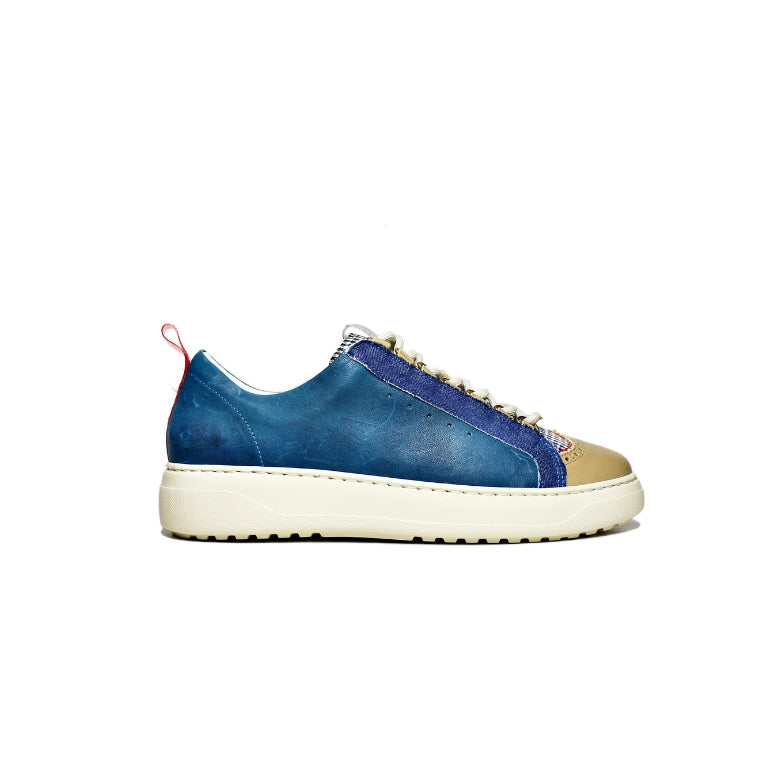
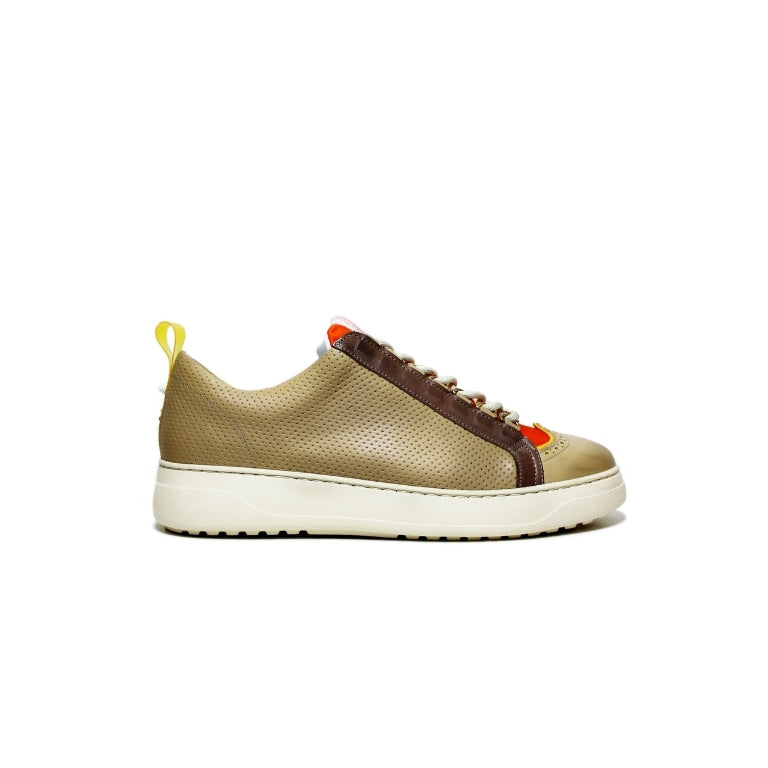
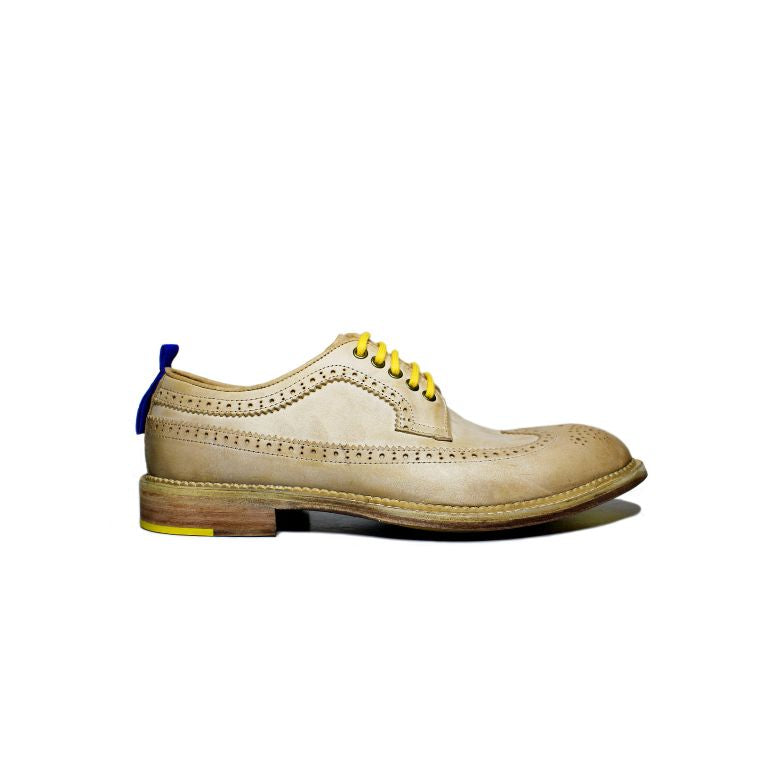
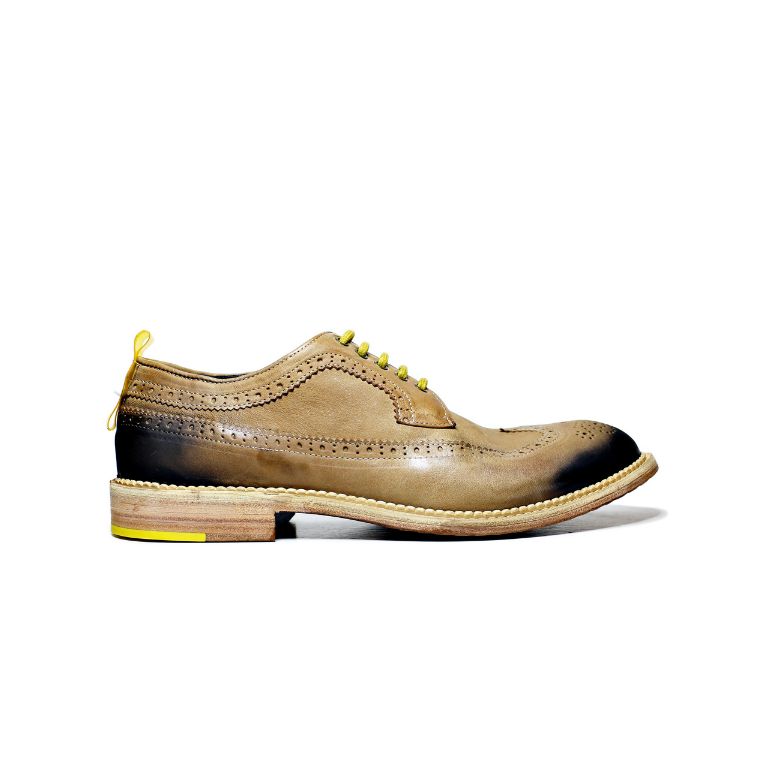
One example of this balance between tradition and modern design is the Dublin Black. Handmade in Portugal using carefully selected materials, the model reflects the discipline and craftsmanship that define modern European shoemaking.
Distinctive details such as the red welt and refined leather textures create a recognisable signature while maintaining the understated elegance associated with quiet luxury.
European Craftsmanship and the Future of Luxury Footwear
As the fashion industry evolves, craftsmanship remains one of the most valued qualities in luxury footwear. European shoemakers continue to demonstrate that innovation and tradition can coexist, producing shoes designed to last both structurally and aesthetically.
Brands that respect these principles help preserve a craft tradition that has defined European luxury for generations.