

The Return of True Shoemaking Craft
For decades, industrial production dominated the global footwear industry. Speed, scale and cost efficiency changed how shoes were designed, produced and consumed. Yet a different movement is gaining strength: a return to true shoemaking craft.
Across Europe, designers and artisans are once again focusing on what gives footwear real value: carefully selected materials, balanced construction, durability, repairability and attention to detail. Instead of disposable fashion, the focus is moving back to shoes made with purpose.

Traditional European shoemaking values balance, materials, construction and long-term use.
What true shoemaking craft means
True shoemaking begins long before the finished shoe appears. It starts with the selection of materials: leather with the right balance of strength, flexibility and character. Experienced craftsmen evaluate texture, grain and thickness before a single piece is cut.
Once the leather is selected, the process continues with cutting, shaping and assembling each component. Every curve, stitch and proportion has a role. These principles remain central to Portuguese shoemaking, where material knowledge and construction quality are part of the craft culture.

Artisans carefully cut leather components before assembling the structure of a handmade shoe.
Why craftsmanship matters again
Craftsmanship is not only about tradition. It is about creating footwear that feels better, lasts longer and carries more value than mass-produced alternatives. Skilled hands guide each step of the process, making small adjustments that influence comfort, structure and durability.
This matters because customers are increasingly looking for products with substance. A well-made shoe is not just something to wear once. It is a piece designed to be used, maintained and appreciated over time.
Goodyear construction and repairability
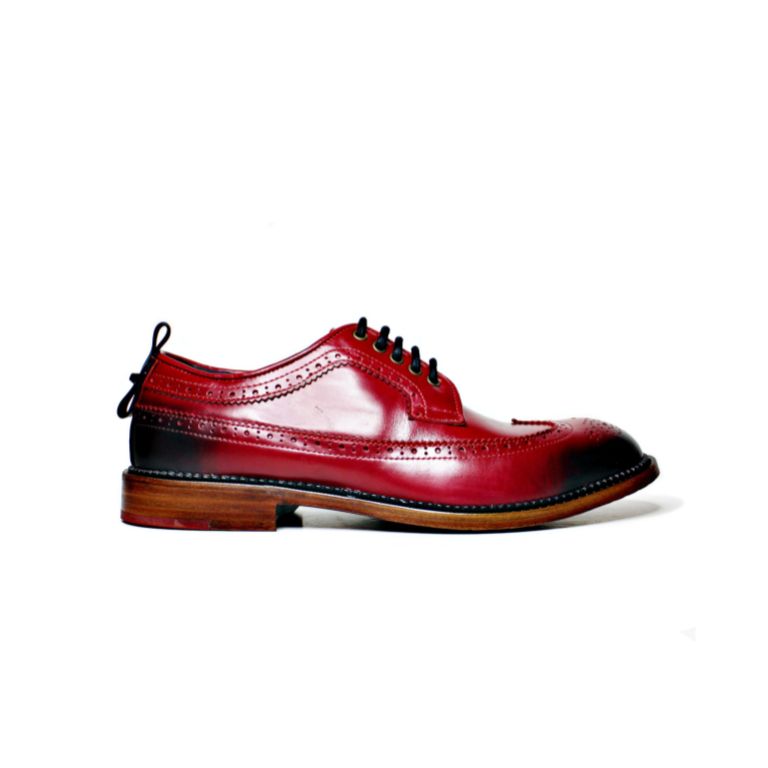
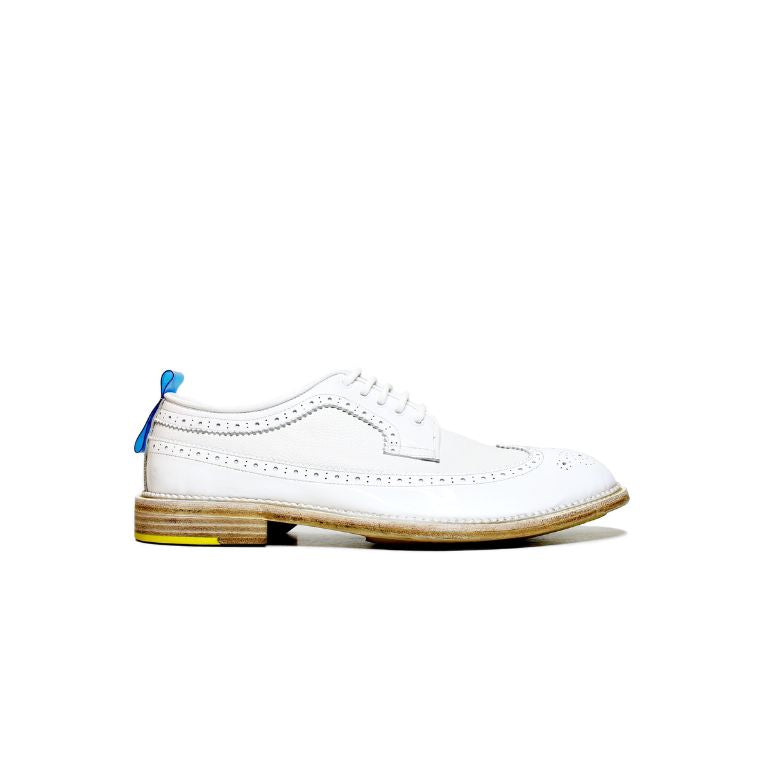
One of the strongest expressions of true shoemaking craft is Goodyear welt construction. This method is valued because it creates a strong structure and, in many cases, allows the shoe to be repaired instead of discarded.
For Pintta, this is especially important in the Made-to-Order Goodyear collection. Each pair is produced only after the order is placed, reducing unnecessary stock and creating a more responsible approach to luxury footwear.
Made-to-order shoes are not produced simply to fill a warehouse. They are made with intention, time and purpose — for clients who want exclusivity, durability and a pair with real identity.
Portuguese craftsmanship with modern attitude
Portugal has become one of Europe’s most respected footwear producers because it combines technical expertise with skilled artisanship. This foundation allows brands to create shoes that are not only well made, but also visually distinctive.
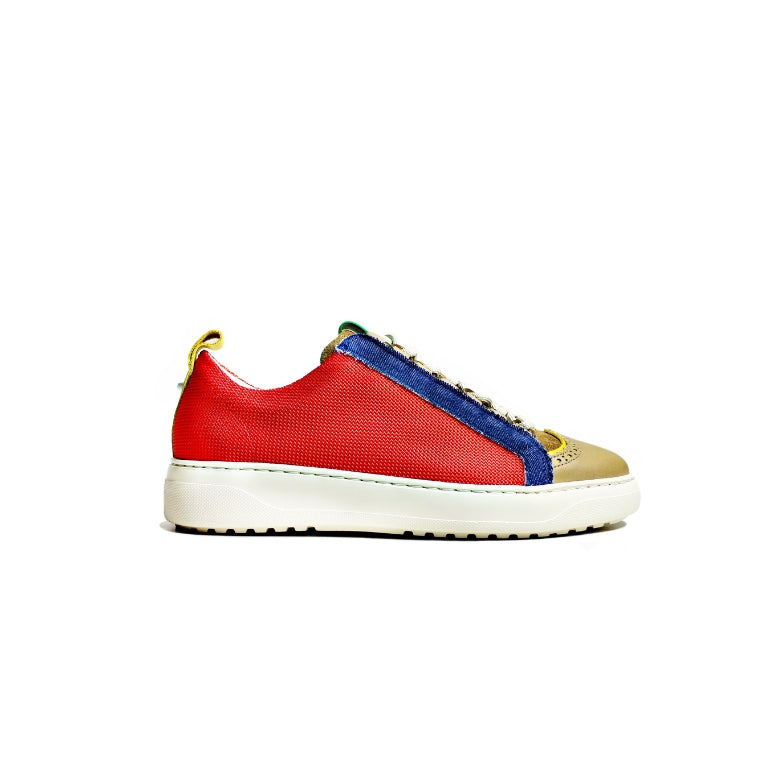
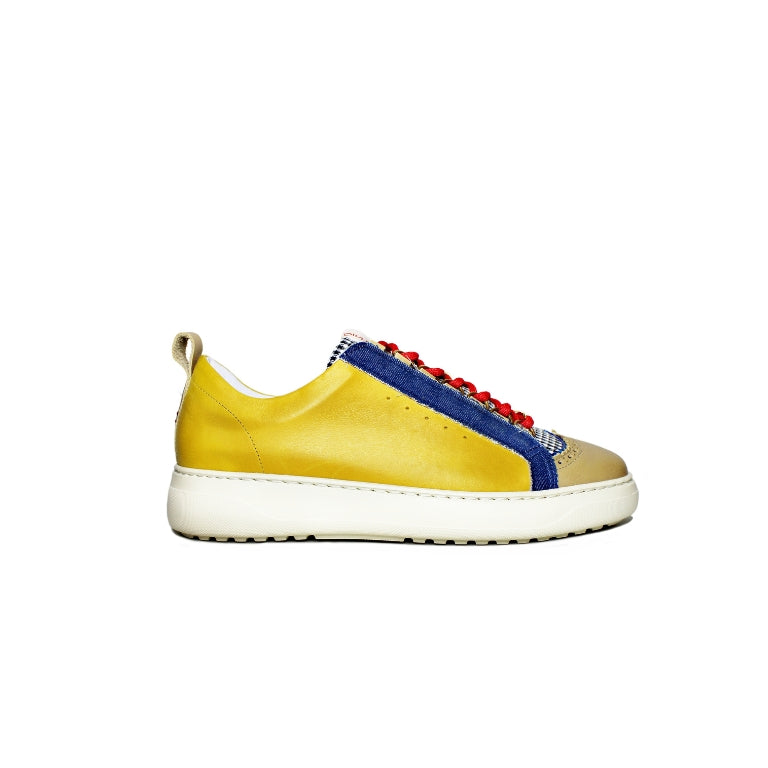
Pintta belongs to this new generation of Portuguese footwear brands. The goal is not to create ordinary shoes or neutral design. Pintta creates handmade footwear with premium materials, strong visual details and a clear identity.
Explore more about handmade shoes in Portugal and how Portuguese craftsmanship supports modern footwear with character.
The Dublin Black
The Dublin Black is one expression of this philosophy. Handmade in Portugal with premium black leather, cow leather lining and Pintta’s distinctive red welt, it combines classic European shoemaking with recognisable design detail.
It shows how traditional craft can support modern footwear with presence, comfort and identity.
Explore Pintta craftsmanship
For those looking for handmade shoes with design, construction and character, Pintta offers footwear created in Portugal with selected materials and a strong visual identity.
- Made-to-Order Goodyear shoes
- Classic men’s leather shoes
- Men’s designer shoes
- Men’s designer sneakers
- Women’s designer shoes
If you want to understand how Portugal became one of Europe’s most respected footwear producers, read Why Portugal Became Europe’s Hidden Footwear Powerhouse.
Walk with Pintta.